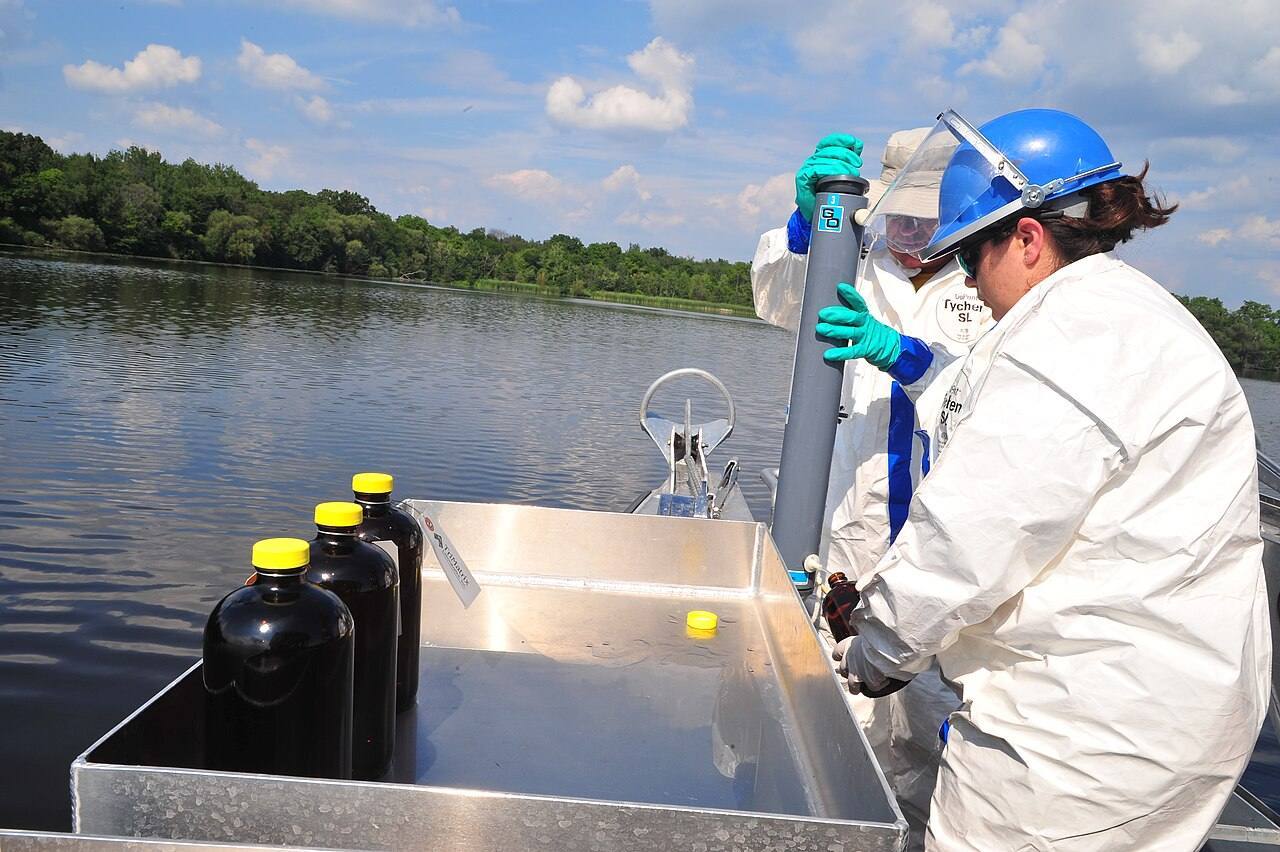
As concerns over water quality intensify, utilities and regulatory bodies face the dual challenge of managing per- and polyfluoroalkyl substances (PFAS) and microplastics. Current research highlights these contaminants as significant threats to public health and environmental safety, prompting an urgent need for effective monitoring and treatment strategies.
PFAS, often referred to as "forever chemicals," are a class of synthetic compounds that have been widely used in industrial applications and consumer products due to their resistance to heat, water, and oil. Their persistence in the environment poses substantial challenges for drinking water management. The Fifth Unregulated Contaminant Monitoring Rule (UCMR 5), as reported by Water Finance and Management, has revealed the widespread presence of PFAS in drinking water across the United States, necessitating increased scrutiny and regulatory action.
Understanding the Mechanisms of Contamination
The pathways through which PFAS contaminate water supplies are varied. They can enter the environment through industrial discharges, wastewater effluent, or runoff from landfills. This complexity complicates the regulatory framework, as identifying and quantifying these sources require extensive monitoring and collaboration between multiple stakeholders, including industries, municipalities, and environmental agencies.
Microplastics, defined as plastic particles smaller than 5 millimeters, present another layer of complexity in water quality management. These particles originate from a variety of sources, including the breakdown of larger plastic debris, wastewater treatment plant effluent, and stormwater runoff. Microplastics can absorb harmful pollutants and then enter the food chain, raising concerns about their ecological and health impacts.
Regulatory Challenges and Responses
Regulatory bodies are increasingly pressured to establish guidelines and limits for PFAS and microplastics in drinking water. However, the scientific community continues to grapple with uncertainties regarding the health risks associated with these contaminants, which complicates the risk assessment and regulatory processes.
The regulatory framework for PFAS is evolving, driven by public demand for increased safety standards. Utilities are tasked with implementing monitoring programs and infrastructure upgrades to detect and remove these contaminants. However, the challenges extend beyond PFAS; the emergence of microplastics as a significant contaminant requires utilities to adopt new strategies and technologies.
As highlighted in a recent article from Circle of Blue, regions like North Bay, Ontario, are facing significant challenges related to PFAS contamination. Community engagement and transparency in addressing these issues are essential, as public outcry often drives regulatory change. Effective remediation strategies must include not only technological solutions but also community education and involvement.
Technological Innovations in Detection and Treatment
The search for effective methods to detect and treat PFAS and microplastics is ongoing. Advanced technologies such as mass spectrometry and high-resolution mass spectrometry are increasingly employed for the precise detection of PFAS compounds. For microplastics, methodologies are still developing, with efforts focused on filtration and advanced oxidation processes to reduce their presence in water supplies.
The trade-offs in adopting these technologies often involve cost, efficacy, and scalability. While advanced technologies can enhance detection capabilities, the financial implications for utilities - especially smaller systems - can be significant. Balancing the need for effective contaminant removal while maintaining affordable water services is a critical concern for water managers.
Conclusion: A Collaborative Approach to Water Quality
Addressing the intertwined challenges of PFAS and microplastics requires a coordinated response from utilities, regulators, and the broader community. As the regulatory landscape continues to evolve, it is imperative that stakeholders work collaboratively to establish effective monitoring and treatment strategies. This approach will not only enhance water quality but also restore public trust in drinking water systems.
In summary, the growing concern over PFAS and microplastics calls for a multi-faceted regulatory approach that is responsive to scientific advancements and public concerns. As utilities navigate these challenges, ongoing research and community engagement will be essential to developing sustainable solutions that protect water quality for future generations.
For local service context, see local RO specialists.