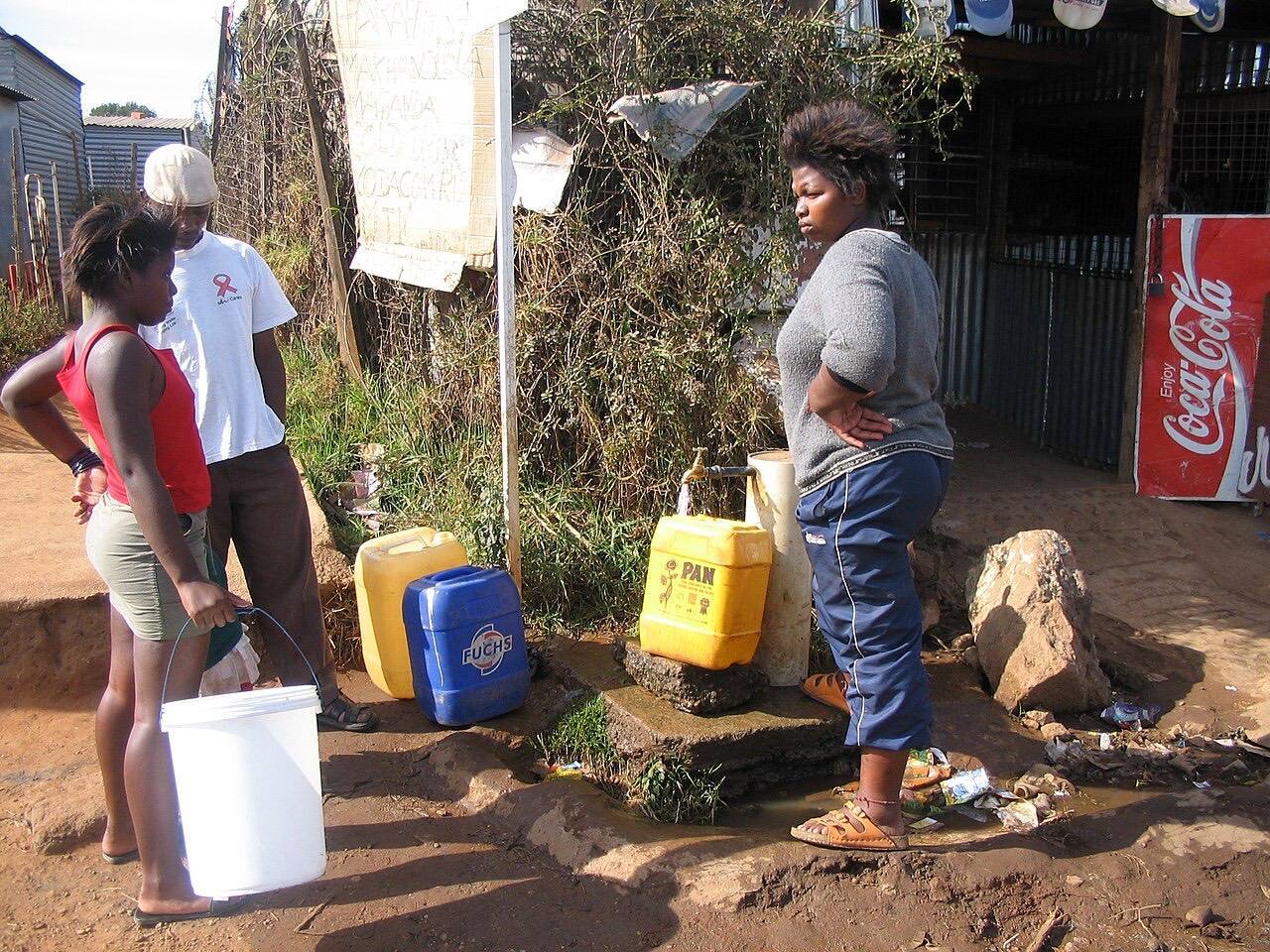
The persistence of water shortages in various regions, exemplified by the recent crises in Puerto Rico, underscores the pressing need for investment in water infrastructure and the adoption of strategic management practices. In particular, the ongoing difficulties faced by residents and businesses in Puerto Rico due to pipeline ruptures illustrate the vulnerabilities in aging water systems and the significant implications for public health and economic stability.
As reported by The Guardian, residents in San Juan have experienced severe water outages, described as "as if a hurricane had passed". These shortages not only disrupt daily life but also increase operational challenges for local businesses, highlighting the socio-economic ramifications of inadequate water supply systems.
The current situation in Puerto Rico serves as a reminder of the broader challenges faced by many municipalities, where aging infrastructure, compounded by increasing demand and climate-related pressures, leads to significant operational hurdles. For instance, the deterioration of pipelines frequently results in leaks, which not only diminish water supply but also complicate treatment processes, increase costs, and heighten the risk of contamination.
The Role of Infrastructure Investment
Addressing the water shortages necessitates substantial investment in infrastructure, which includes upgrading existing pipelines, enhancing treatment facilities, and implementing advanced monitoring systems. However, municipal budgets can be constrained, and prioritization of water infrastructure enhancements often competes with other pressing community needs.
One potential solution is the adoption of innovative financing mechanisms, including public-private partnerships, which can facilitate the necessary capital influx for infrastructure projects. Such partnerships allow municipalities to leverage private sector efficiencies and expertise, thereby accelerating the pace of necessary upgrades. Moreover, grant programs at the federal and state levels can provide additional funding sources, although the availability of such resources often varies and may be subject to political considerations.
Strategic Water Management
In tandem with infrastructure improvements, municipalities must also adopt strategic water management practices to optimize existing resources. Effective water conservation programs and public education campaigns can play crucial roles in reducing demand, particularly in regions experiencing drought or increased competition for water resources.
Furthermore, the integration of advanced technologies, such as real-time monitoring systems and data analytics, can enhance the efficiency of water use and distribution. By employing techniques such as predictive modeling and geographic information systems, utilities can better understand demand patterns and identify potential system vulnerabilities, enabling proactive maintenance and targeted investment.
Conclusion
The ongoing water shortages in Puerto Rico exemplify the challenges municipalities face in maintaining reliable water supply systems amidst aging infrastructure and increasing demand. While the situation is urgent, it also presents an opportunity for stakeholders to collaborate on innovative solutions that encompass infrastructure investment and strategic resource management. The path forward requires not only financial commitment but also a concerted effort to enact policy changes and foster community engagement - elements critical to ensuring sustainable water access for future generations.
For local service context, see local RO specialists.