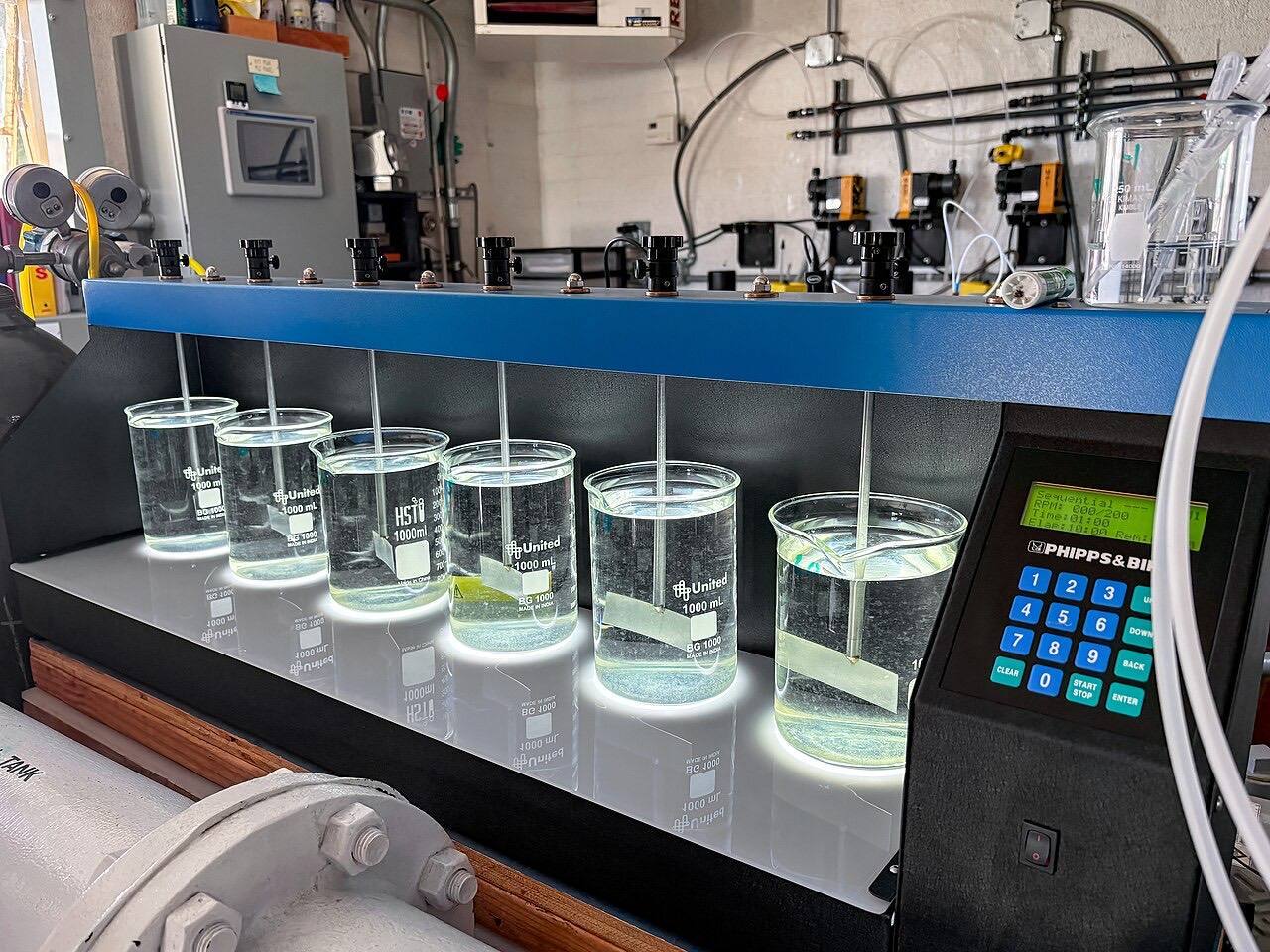
Water scarcity is an increasingly pressing issue for municipalities worldwide, with recent reports highlighting severe shortages in Puerto Rico. As detailed in a recent article by The Guardian, residents have faced substantial disruptions in their daily lives due to persistent water outages driven by pipeline ruptures. This situation emphasizes the critical need for robust infrastructure and proactive management strategies in municipal water systems.
The Underlying Causes of Water Shortages
Water shortages can arise from various factors, including aging infrastructure, climate variability, and increased demand from both residential and commercial sectors. In Puerto Rico, for example, the combination of a damaged pipeline and prolonged maintenance issues has underscored vulnerabilities in water distribution systems. Such failures can lead to significant public health risks, economic impacts, and increased operational costs for utilities.
Infrastructure Investments and Upgrades
Addressing these infrastructure challenges necessitates targeted investments in both physical assets and maintenance protocols. Utilities must prioritize the renovation of outdated pipelines and the integration of technology to monitor system performance. For instance, the adoption of real-time monitoring systems can help utilities identify leaks and inefficiencies swiftly, potentially mitigating the effects of outages.
Moreover, funding for infrastructure improvements often comes from a mixture of federal, state, and local sources, which means that effective communication and collaboration among various stakeholders is vital. Independent regional dealers such as Jones Air & Water play a significant role in delivering technology solutions that support these enhancements. By facilitating the transition to modern water management systems, these dealers can help utilities better serve their communities.
Climate Change and Water Availability
The influence of climate change on water availability cannot be overlooked. Increasing temperatures and changing precipitation patterns can exacerbate existing water shortages, as seen in various regions. In Puerto Rico, as well as other locales, such conditions can lead to heightened pressure on municipal water services, necessitating a shift in operational strategies.
Utilities may need to explore alternative sources of water, such as desalination or the use of reclaimed water for non-potable applications, to ensure a sustainable supply. This approach could reduce reliance on conventional water sources and enhance resilience to climate-related disruptions.
Community Engagement and Education
Beyond infrastructure and technology, community engagement is essential for successful water management. Public education campaigns can inform residents about water conservation practices, the importance of reporting leaks, and the role they play in ensuring a sustainable water supply. Active community involvement can lead to more resilient water systems and foster a culture of conservation.
Conclusion
The ongoing water shortages in Puerto Rico serve as a stark reminder of the vulnerabilities that exist within municipal water systems. As utilities face escalating challenges, a multifaceted approach - encompassing infrastructure upgrades, technology integration, climate adaptation, and community engagement - will be essential. Moving forward, the emphasis must be placed on building resilient systems that can withstand both current needs and future uncertainties.