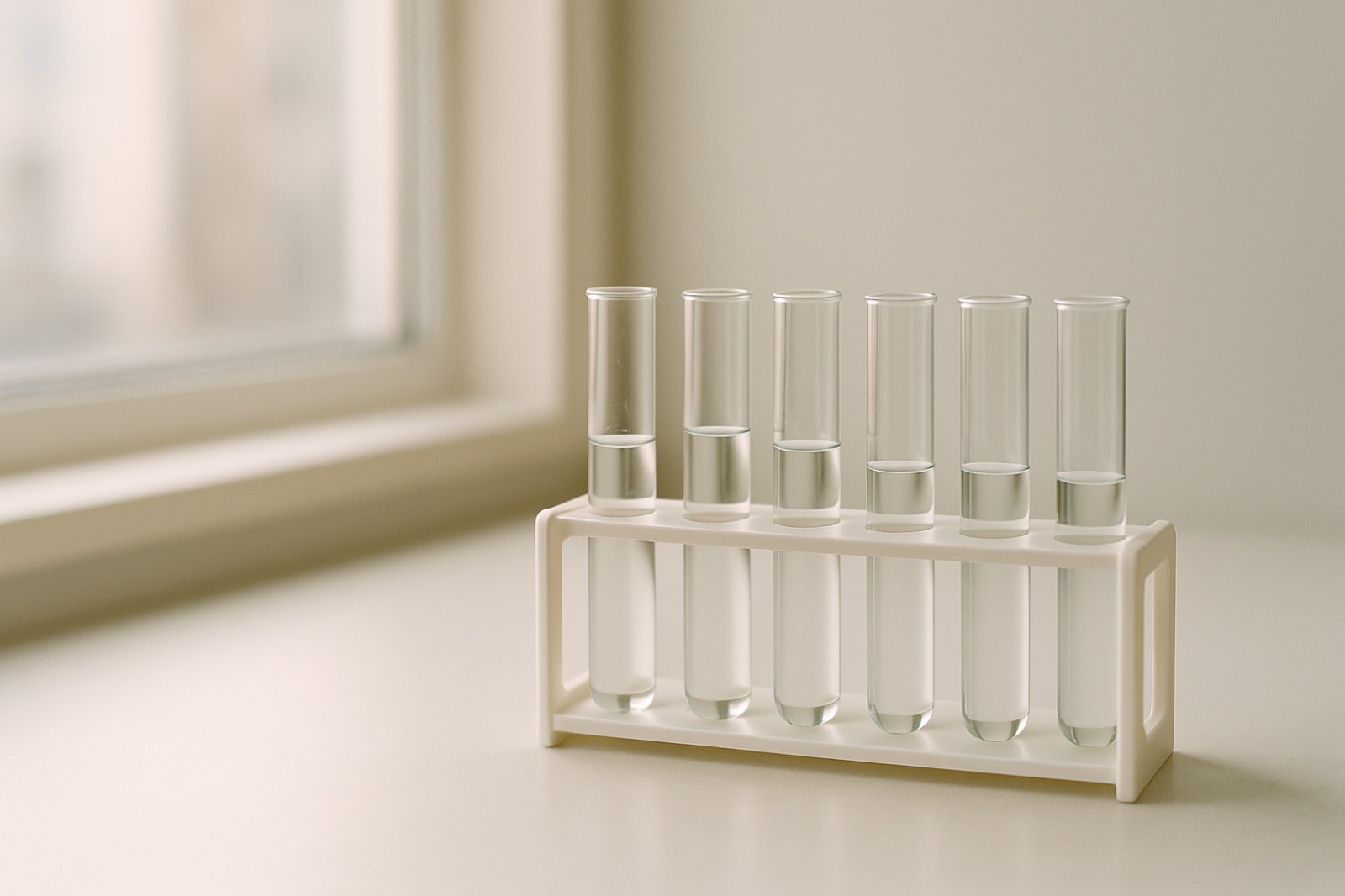
White deposits on a faucet, cloudy glassware and declining water-heater performance often point toward hard water. They do not establish that drinking water is contaminated. Conversely, water that looks clear and leaves no scale can still contain constituents that cannot be detected by sight, smell or taste.
The practical task is not to make a diagnosis from a single symptom. It is to decide which evidence should come next.
That distinction matters as water systems invest in new infrastructure and better records. In an article about closing the water infrastructure data gap, Water Finance and Management contributing author Jarrod Gerbaud describes more than $50 billion in Infrastructure Investment and Jobs Act funding supporting work on pipes, treatment facilities and distribution systems. The article's operational lesson also applies inside a house: equipment and construction decisions are weaker when the underlying water data are incomplete.
Start with the pattern, not the presumed cause
First, record where the problem appears. Deposits on every hot-water fixture suggest a different investigation from particles at one bathroom faucet. A complaint limited to hot water directs attention toward the water heater, temperature and scale accumulation. A problem at one outlet may involve an aerator, a short section of plumbing or a fixture component. A whole-house change raises questions about the incoming supply, treatment equipment or shared plumbing.
Next, record when it began. Gradual scale accumulation is consistent with minerals concentrating on heated or drying surfaces. An abrupt change deserves more caution, particularly if it follows plumbing work, a treatment-system service visit, loss of pressure, flooding near a private well or an official utility notice. These circumstances do not prove contamination. They change the testing and inspection priorities.
Signs that support a hardness investigation
Use this checklist to identify a probable mineral-management problem:
- Chalky deposits recur where water evaporates.
- Deposits are heavier on hot-water fixtures or heating elements.
- Soap lathers poorly and cleaning requires more product.
- Glassware develops removable mineral film.
- Flow declines gradually as aerators or showerheads collect scale.
- No sudden change, advisory or plumbing disturbance accompanies the symptoms.
These observations justify measuring hardness, commonly reported as milligrams per liter as calcium carbonate or in grains per gallon. The result helps size and program softening equipment, estimate salt demand and determine whether treatment is proportionate to the nuisance. Hardness is primarily an operational and aesthetic measurement. It should not be used as a substitute for contaminant testing.
Conditions that move testing ahead of treatment
Laboratory testing should come first when the concern cannot be resolved through observation or a basic hardness measurement. Examples include a sudden change across multiple taps, repeated discoloration, unexplained metallic taste, concern following work on service lines, a private-well vulnerability or a utility instruction to test or take precautions.
Choose analytes from the source and event, not from a generic maximum-size package. A private well investigation may require microbial and source-specific chemical testing. A corrosion concern may call for metals testing under a defined sampling protocol. Odor can require separate samples from the cold tap, hot tap and untreated source. Sampling instructions matter because flushing time, bottle type, preservation and collection point can materially affect the result.
Homeowners who need decision-grade information should get local water professionally tested through an appropriate laboratory or qualified provider, with the exact panel and sampling method established before collection.
Read each result according to the decision it supports
A hardness number helps evaluate scale control. Iron and manganese results may help explain staining or deposits. Chloride, sulfate and total dissolved solids can provide context for taste, corrosion or treatment loading. Results for regulated or health-relevant constituents require comparison with the applicable drinking-water standard, action framework or official guidance for that water source.
Also check the reporting limit, units and sample location. “Not detected” means the laboratory did not detect the analyte above its stated reporting limit. It does not mean absolute zero. A result from a kitchen tap describes that sample under that collection protocol, not automatically every tap or every day.
Water Quality Wire's available audience figures show 3,887 page views, 1,506 visitors, 1,341 search crawls and 2,937 AI crawls. Those numbers indicate discovery activity, but no assist or customer relationship management data were supplied. They therefore cannot show how many readers tested water, bought equipment or resolved a complaint. The editorial demand is clearer than the outcome data: readers need a disciplined way to distinguish appliance and cleaning problems from questions that only testing can answer.
The useful dividing line is simple. Repeated deposits and hot-side scaling support a hardness measurement. Sudden, widespread or source-related changes support a defined laboratory investigation. Neither path begins with selecting equipment.