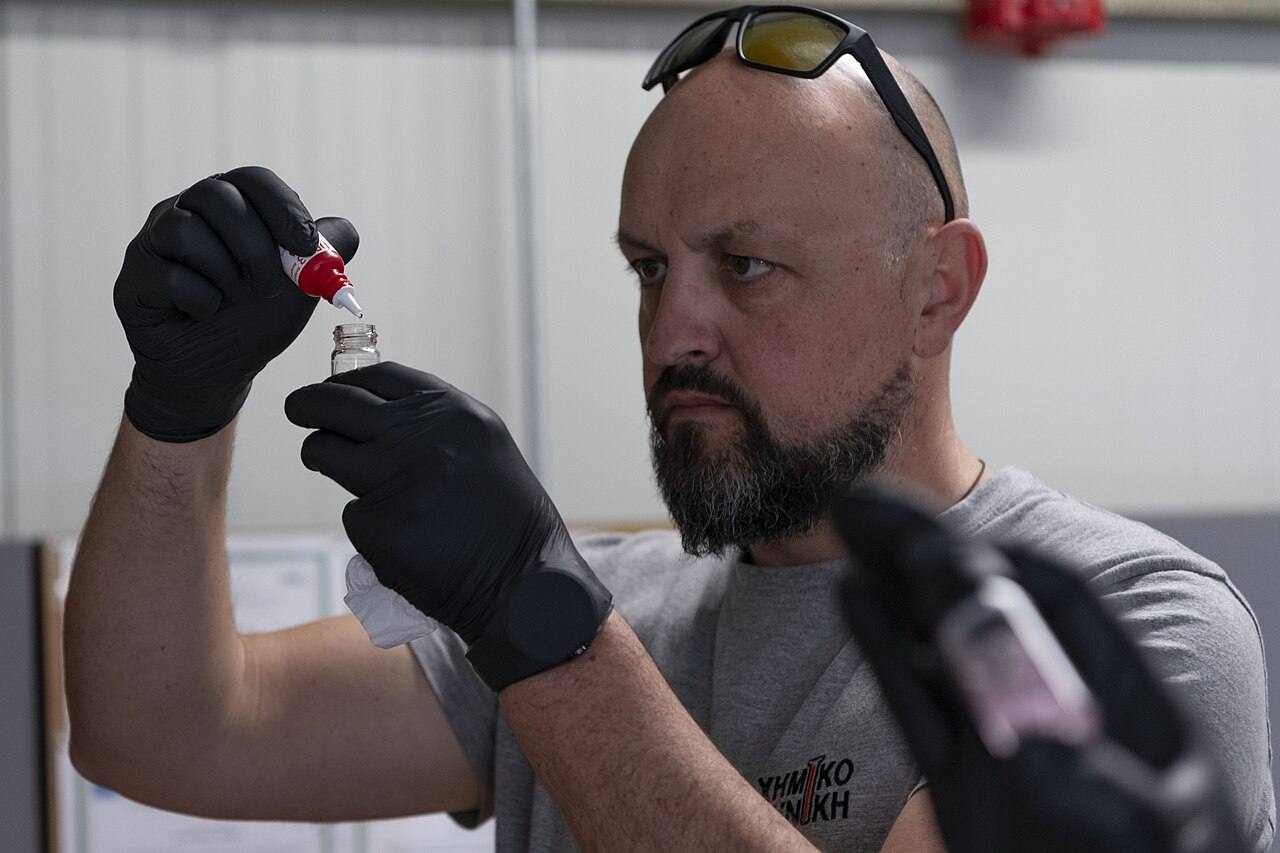
Microplastics have emerged as a significant environmental concern, prompting researchers and regulators to examine their implications on water quality. With increasing evidence of microplastics in water sources, understanding their impact on water quality testing methodologies is crucial for utilities, dealers, and engineers alike.
The presence of microplastics in drinking water has raised questions about the adequacy of current testing methods and regulations. Unlike traditional contaminants, microplastics are diverse in size and composition, complicating their detection and quantification. Current testing procedures may not adequately capture the full scope of microplastic contamination, leading to potential underreporting and mismanagement of water quality.
Recent Developments in Testing Methodologies
Research efforts are underway to refine microplastic detection techniques. Conventional water quality testing often relies on filtration, which may overlook smaller particles. Innovative methods, such as Raman and Fourier Transform Infrared spectroscopy, are being explored for their ability to identify and quantify microplastics in water samples.
Furthermore, advancements in automated sampling and analysis technologies are promising. These innovations aim to enhance the efficiency and accuracy of microplastic detection, allowing for more comprehensive assessments of water quality.
Regulatory Landscape and Challenges
The regulatory framework surrounding microplastics in drinking water is still evolving. The recent Fifth Unregulated Contaminant Monitoring Rule (UCMR 5) has highlighted the widespread presence of contaminants like PFAS, yet microplastics remain largely unregulated. Public concern surrounding microplastics has increased, leading to calls for stricter testing and regulatory measures.
According to a recent article in Water Finance and Management, microplastics are becoming a focal point of research and discussion among regulators and utilities as the impacts of these contaminants become clearer. The challenge lies in balancing the development of effective regulations while ensuring that utilities have the resources and methodologies to comply.
Trade-offs in Testing and Regulation
Utilities face trade-offs when implementing new testing methodologies for microplastics. While enhanced detection techniques may provide better insights into contamination levels, they often require significant investments in technology and training. Additionally, the costs associated with routine testing can be substantial, particularly for smaller utilities.
As the regulatory landscape continues to evolve, stakeholders need to evaluate the cost-effectiveness of testing strategies. Collaboration between utilities, researchers, and regulators can facilitate the development of standardized testing methodologies that are both practical and effective.
Looking Forward
The need for a comprehensive understanding of microplastics in water sources is becoming increasingly urgent. As the relationship between water quality and public health gains more attention, the water sector must adapt to meet the challenges posed by these contaminants.
In summary, the implications of microplastics on water quality testing and regulation are profound. As testing methodologies evolve, the focus must remain on balancing accuracy, cost, and the ability to meet regulatory requirements. This will be critical in ensuring that water quality remains a priority amid growing concerns about contaminants like microplastics.
For local service context, see local RO specialists.