The significance of maintaining water quality in wild river ecosystems is increasingly recognized as pressures from development, climate change, and pollution continue to mount. This is particularly relevant in the context of the Yampa River, one of the last free-flowing tributaries of the Colorado River, which faces unprecedented challenges.
Understanding the Ecosystem Services
Wild rivers like the Yampa provide essential ecosystem services, including habitat for diverse flora and fauna, recreation opportunities, and water supply for various uses. The health of these ecosystems is directly linked to the quality of water flowing through them. Monitoring water quality is crucial not only for ecological health but also for the communities that rely on these waterways for drinking water and recreation.
Key Factors Impacting Water Quality
Several factors can compromise water quality in wild rivers. Nutrient loading from agricultural runoff, sedimentation from land development, and the introduction of contaminants are significant threats. Furthermore, climatic variations, such as those driven by El Niño, can alter precipitation patterns, impacting water temperatures and flow rates, which in turn affect the river's ecological balance. For example, as highlighted in the article regarding California's shifting marine ecosystems, warming waters influence species distribution and interactions, which can have cascading effects on local ecosystems.
Monitoring Techniques and Technologies
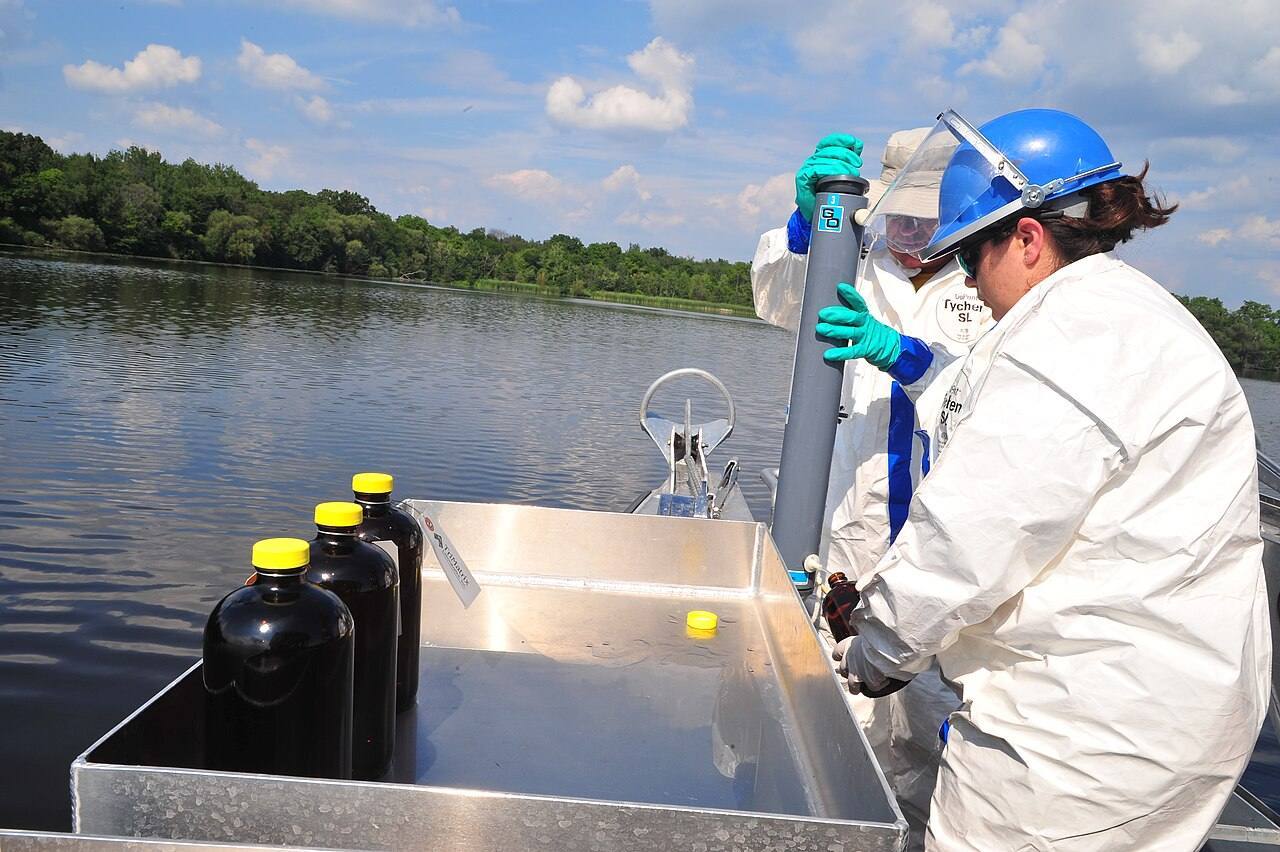
Various methodologies are employed to monitor water quality in river systems. Traditional sampling techniques involve physical collection and analysis of water samples for parameters like pH, turbidity, and the presence of pathogens or contaminants. However, these methods can be resource-intensive and may not capture real-time changes.
Emerging technologies, such as remote sensing and in-situ sensors, offer innovative solutions for continuous monitoring. Remote sensing utilizes satellite or aerial imagery to assess water quality indicators over large areas, while in-situ sensors provide real-time data on environmental conditions. These tools facilitate quicker response times to water quality issues and aid in resource management decisions.
Challenges of Data Interpretation
While technological advancements improve monitoring capabilities, interpreting the data remains a complex challenge. Water quality is influenced by numerous variables, including seasonal changes, human activities, and natural events. Analyzing these factors requires a multidisciplinary approach, integrating hydrology, ecology, and social sciences to develop comprehensive management strategies. Furthermore, uncertainty in modeling predictions adds another layer of complexity; professionals must balance data with practical experience and local knowledge.
Collaborative Approaches to Management
Successful water quality management in wild river ecosystems often hinges on collaboration among stakeholders, including government agencies, local communities, and environmental organizations. Engaging stakeholders in data collection and decision-making fosters a sense of ownership and accountability. Educational initiatives can also raise awareness about the importance of protecting these ecosystems, encouraging responsible behaviors among river users.
Conclusion
As pressures on wild rivers like the Yampa increase, the need for effective water quality monitoring and management becomes critical. Implementing advanced technologies, addressing data interpretation challenges, and fostering collaborative approaches are essential steps toward preserving these vital ecosystems. Ultimately, the efforts to protect water quality in these rivers are not just about conservation; they are fundamental to ensuring the sustainability and resilience of the communities that depend on them.
For local service context, see local RO specialists.