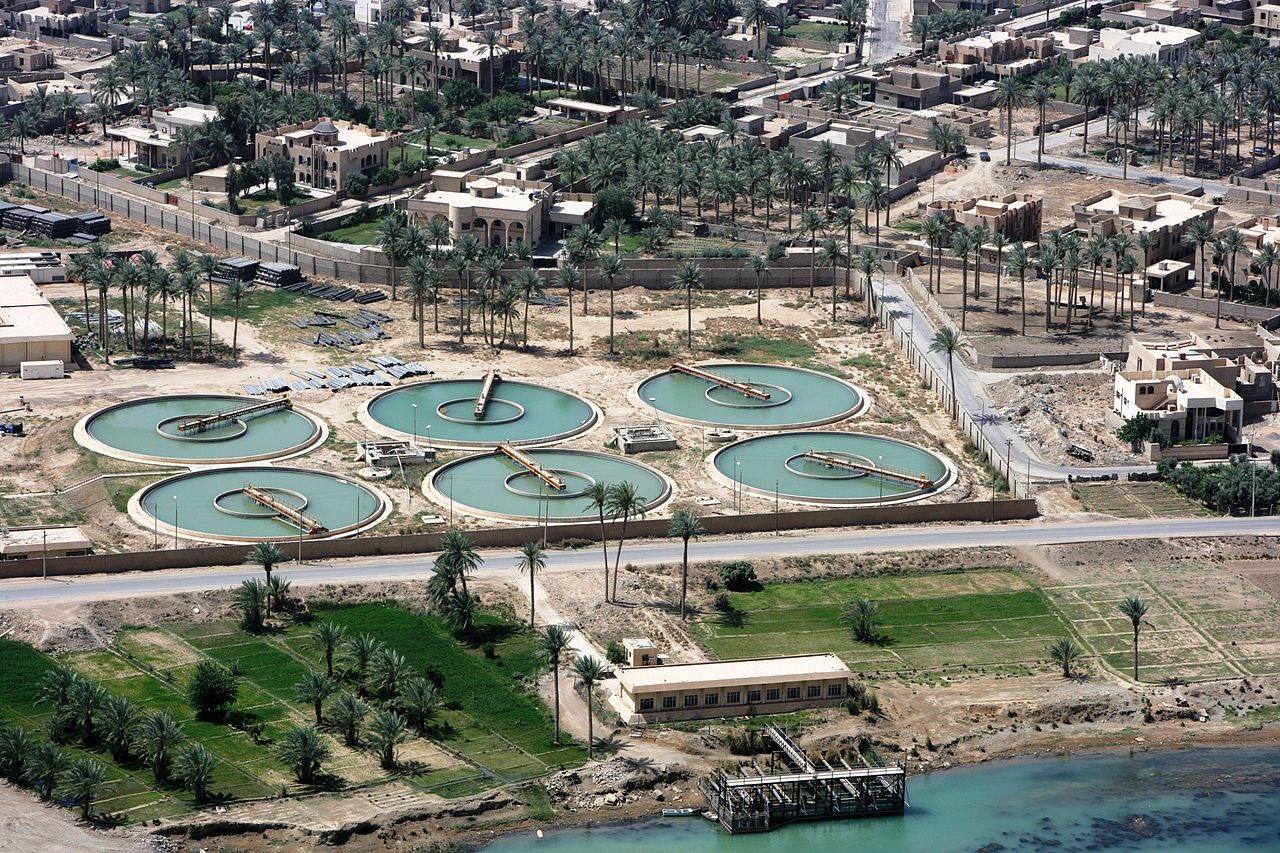
The landscape of water management in the United States, particularly regarding Indigenous communities, is evolving in response to regulatory initiatives from the Environmental Protection Agency (EPA). Recently, two significant actions have drawn attention: the announcement of over $227 million in funding for American Indian tribes and Alaska Native villages, and the upcoming release of draft guidance pertaining to per- and polyfluoroalkyl substances (PFAS) in biosolids.
Funding for Improved Water Services
In June, the EPA outlined its commitment to enhance drinking water and wastewater services in Tribal communities through a substantial financial investment. The funding, totaling more than $227 million, is aimed at ensuring that these communities have access to safe and reliable drinking water. Such investments are crucial, as many Tribal regions face challenges in water infrastructure maintenance and development.
This funding not only seeks to address immediate needs but also aims at long-term improvements in water quality and sanitation. By bolstering the capabilities of Tribal water systems, the EPA is acknowledging the historical neglect these communities have faced in terms of infrastructure investment. This funding can also facilitate the adoption of advanced technologies and best practices that can enhance system resiliency against climate impacts and other stressors.
Guidance on PFAS in Biosolids
Another critical issue gaining attention is the management of PFAS in biosolids. The EPA has announced its intention to release draft guidance designed to assist wastewater utilities and landowners in mitigating risks associated with PFOA and PFOS in biosolids. This guidance represents a significant step toward addressing the widespread environmental concern linked to PFAS contamination.
The approach to PFAS regulation has historically been fragmented, leading to uncertainty among utilities and stakeholders regarding best management practices. The upcoming guidance aims to provide clearer frameworks for the safe handling, treatment, and disposal of biosolids that may contain these substances. As part of a broader strategy, the EPA is adopting a “radically transparent approach,” ensuring robust input is gathered from various stakeholders to refine these guidelines.
For Tribal communities, the implications of this guidance could be profound. Many Tribes utilize biosolids in agricultural practices. The draft guidance will likely prompt discussions about the safety and efficacy of these practices, leading to potential modifications in how biosolids are managed. It may also necessitate investments in testing and monitoring methodologies to assess the presence of PFAS in treated waste.
Challenges and Opportunities
While these initiatives signal a positive direction for Tribal water management, they are not without challenges. Implementing new systems and guidelines requires not only funding but also capacity-building and technical assistance. Many Tribal entities may lack the resources or expertise to effectively navigate complex regulatory landscapes and adopt new technologies.
Moreover, there is an inherent uncertainty regarding the timelines for implementing these changes. As stakeholders await the final guidance on PFAS and the allocations of the new funding, questions remain about the speed of execution and the actual impact on community health outcomes.
Conclusion
In summary, the recent actions by the EPA, including the funding for Tribal water systems and the forthcoming draft guidance on PFAS in biosolids, represent significant steps toward improving water quality and safety in Indigenous communities. However, to realize the full potential of these initiatives, ongoing collaboration, technical support, and a focus on sustainability will be essential.
Further details can be found in the EPA funding announcement, and insights into the PFAS guidance can be explored in the draft guidance release.
For local service context, see local RO specialists.