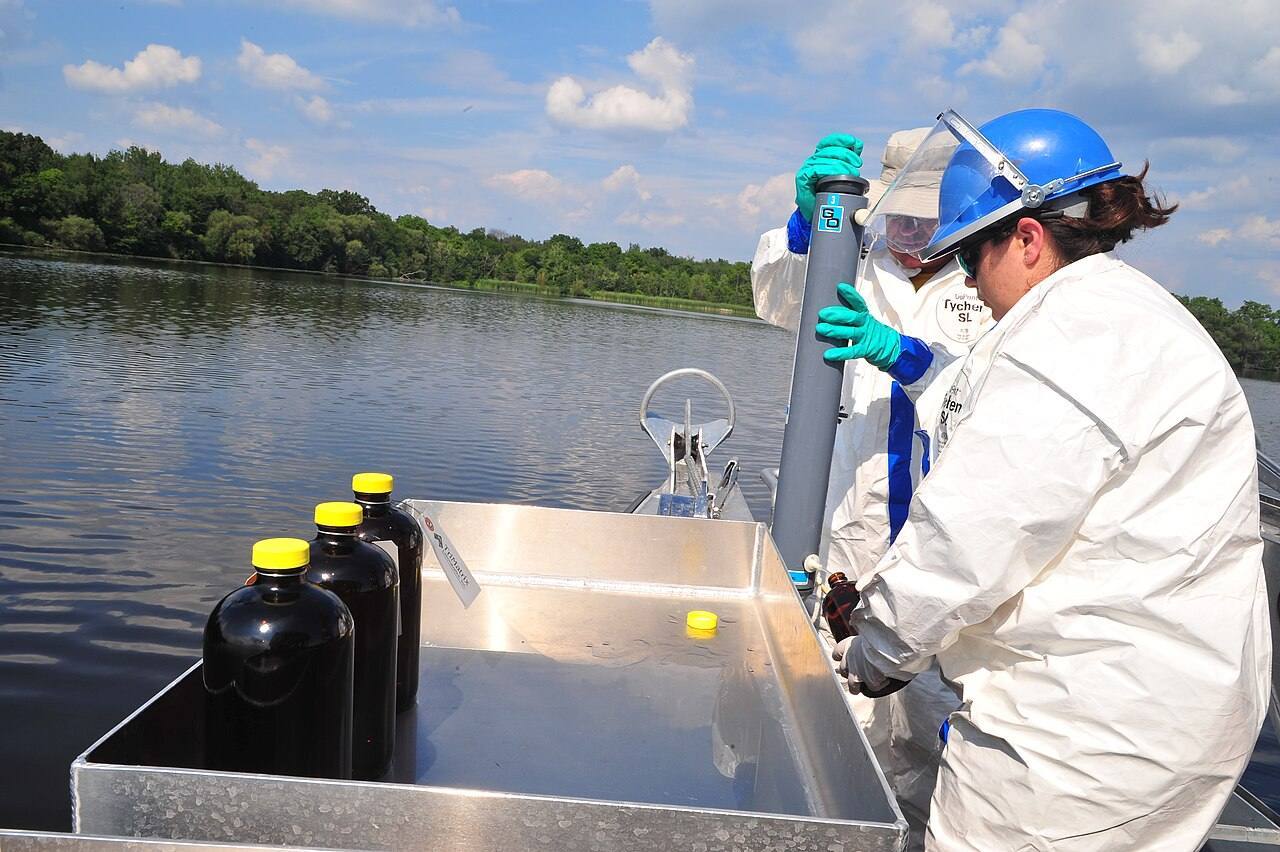
The regulation of drinking water contaminants continues to evolve, particularly with respect to per- and polyfluoroalkyl substances (PFAS) and microplastics. The emergence of these substances as significant contaminants has pushed water utilities and regulatory bodies to reassess their approaches to water quality management.
Over the past decade, PFAS have fundamentally reshaped the drinking water regulatory landscape. The Fifth Unregulated Contaminant Monitoring Rule (UCMR 5) revealed that PFAS are widely present in drinking water across the United States. This finding has led to increased public scrutiny and awareness regarding the safety of drinking water, which places added pressure on utilities to ensure compliance with emerging standards and regulations. As noted in a recent article by Water Finance and Management, “PFAS and Microplastics: Are Patterns Repeating?”, the regulatory environment surrounding these substances is becoming increasingly complex.
Understanding PFAS and Their Implications
PFAS encompass a group of synthetic chemicals used in various applications, including waterproofing and stain resistance. Their persistence in the environment and human body has raised alarm due to potential health risks. Regulation of PFAS in drinking water is now a priority for many states and federal agencies. Utilities must navigate the challenges of testing for these substances, managing public expectations, and implementing treatment solutions.
One of the primary challenges with PFAS regulation is the uncertainty surrounding health effects and exposure levels. As new studies emerge, the threshold levels for safe exposure may change, prompting utilities to adjust their compliance strategies. This ongoing uncertainty complicates the decision-making process for water utilities, as they must balance public health concerns with operational feasibility.
Microplastics: An Emerging Focus
Microplastics, which are small plastic particles less than five millimeters in size, have also gained attention in recent years. Like PFAS, they are challenging to manage due to their widespread prevalence and potential impacts on water quality and human health. Regulatory frameworks for microplastics are still under development, and it is uncertain how regulations will evolve.
The presence of microplastics in drinking water systems can have various implications for treatment processes. Utilities may need to invest in advanced filtration technologies to effectively remove these contaminants from water supplies. However, the economic burden of such investments can be substantial, especially for smaller utilities with limited resources.
Moreover, the regulatory focus on both PFAS and microplastics may lead to new testing and reporting requirements, further complicating compliance efforts. These changing regulations demand that utilities stay informed and adaptable to the evolving landscape.
Trade-offs and Strategic Considerations
For water utilities, the trade-offs between implementing new technologies and maintaining existing infrastructure require careful consideration. The cost implications of adopting advanced treatment methods must be weighed against the potential health benefits of removing PFAS and microplastics from drinking water.
Utilities also face the challenge of communicating effectively with the public about these contaminants. Transparency is crucial, yet it must be balanced with the potential for alarmism. Educational efforts should aim to inform the public about risks while providing clear information on what is being done to ensure water quality.
In conclusion, the regulatory landscape concerning PFAS and microplastics is dynamic and requires ongoing attention from water utilities. As regulations evolve, utilities must engage in proactive planning, adopt innovative treatment solutions, and foster transparent communication with stakeholders. The findings from UCMR 5 and ongoing research into microplastics signal a critical juncture for the water sector, necessitating a strategic response to effectively manage these emerging contaminants.
For further insights into the regulatory challenges posed by PFAS and microplastics, refer to Water Finance and Management.
For local service context, see local RO specialists.