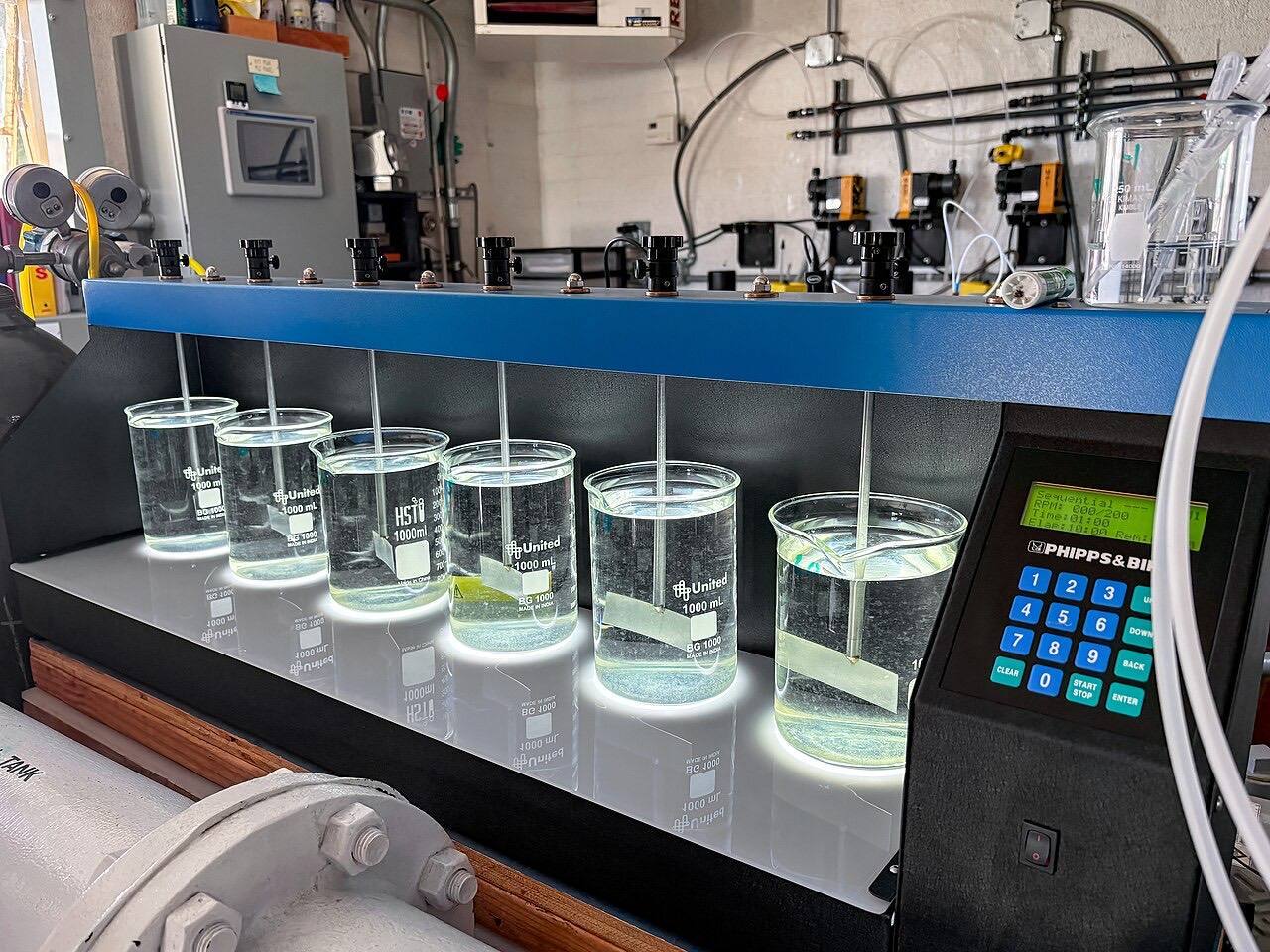
The U.S. Environmental Protection Agency (EPA) is preparing to release draft guidance designed to assist wastewater utilities, landowners, and the public in addressing risks posed by per- and polyfluoroalkyl substances (PFAS), specifically PFOA and PFOS, in biosolids. This initiative reflects a broader commitment to enhanced regulatory oversight in the face of mounting scientific evidence concerning the environmental and health impacts of PFAS.
Background on PFAS and Biosolids
PFAS, often referred to as "forever chemicals," are a group of human-made compounds used in various industrial applications and consumer products due to their water- and grease-resistant properties. They have been detected in various environmental media, raising concerns about their persistence and potential adverse health effects.
Biosolids, which are treated sewage sludge, are frequently used as fertilizers in agriculture. However, the presence of PFAS in biosolids poses potential risks to soil and water quality, leading to increased scrutiny from regulatory agencies. The EPA's forthcoming draft guidance aims to clarify the best practices for managing these substances in biosolids.
Implications of the Draft Guidance
The draft guidance will likely outline methods for testing and mitigating PFAS levels in biosolids, encouraging utilities to adopt best management practices. This may include recommendations for sampling, analytical methods, and treatment options to reduce PFAS concentrations prior to the application of biosolids on agricultural land.
By taking a "radically transparent" approach, as stated by the EPA, the agency is inviting robust stakeholder input to ensure the guidance is practical and effective. This engagement is essential given the diverse interests involved, including public health advocates, agricultural stakeholders, and environmental groups.
Potential Trade-offs and Challenges
One of the key challenges facing wastewater utilities will be balancing the costs associated with implementing the recommended practices against the need to protect public health and the environment. Enhanced monitoring and treatment technologies for PFAS can be costly and may require significant investment, particularly for smaller utilities with limited budgets.
Additionally, the guidance's recommendations may not be a one-size-fits-all solution. Different regions may have varying levels of PFAS contamination, necessitating customized approaches based on local conditions and resources.
Future Considerations
The release of this draft guidance comes amid growing regulatory momentum surrounding PFAS. As utilities begin to implement the recommended practices, it will be important to monitor their effectiveness and adjust strategies as new data emerges. This will ensure that the measures not only reduce PFAS contamination but also support the sustainable use of biosolids in agriculture.
In conclusion, the EPA's initiative to develop guidance on PFAS in biosolids represents a significant step in addressing the complexities associated with these persistent contaminants. As discussed in a recent article by Water Finance and Management, the agency's focus on transparency and stakeholder engagement will be critical to the guidance's success and acceptance by affected parties.
For local service context, see independent regional dealers such as Jones Air & Water.